


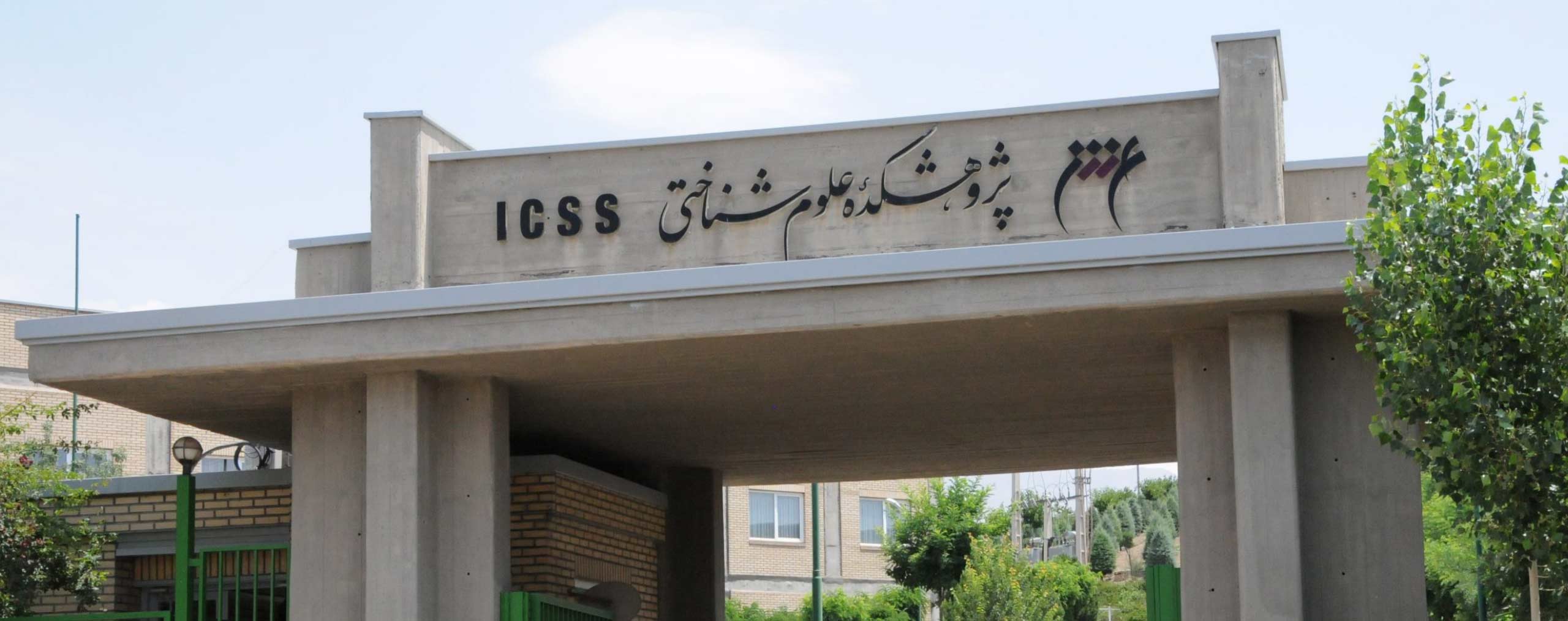
قابل توجه دانش آموختگان دکتری رشته علوم شناختی
گروه پژوهشی علوم شناختی جهاد دانشگاهی استان البرز متقاضی جذب دو نفر از دانش آموختگان دکتری رشته علوم شناختی ( همه گرایش ها) از طریق فراخوان آذر ماه وزارت علوم، تحقیقات و فناوری است. جهاد دانشگاهی استان البرز از دانش آموختگان دکتری موسسه آموزش عالی علوم شناختی برای شرکت در فراخوان جذب هیات علمی خود دعوت بعمل آورده است.
مطالعه متن کامل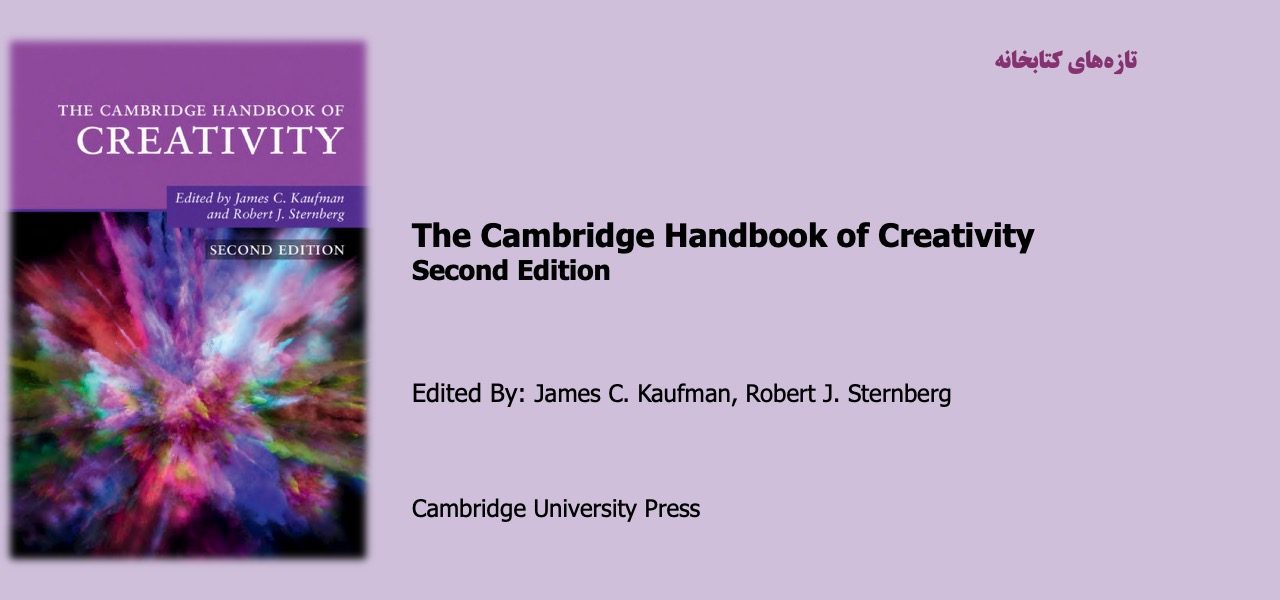
The Cambridge Handbook of Creativity Second Edition
This is the second edition of the Cambridge Handbook of Creativity, but in many ways it is...
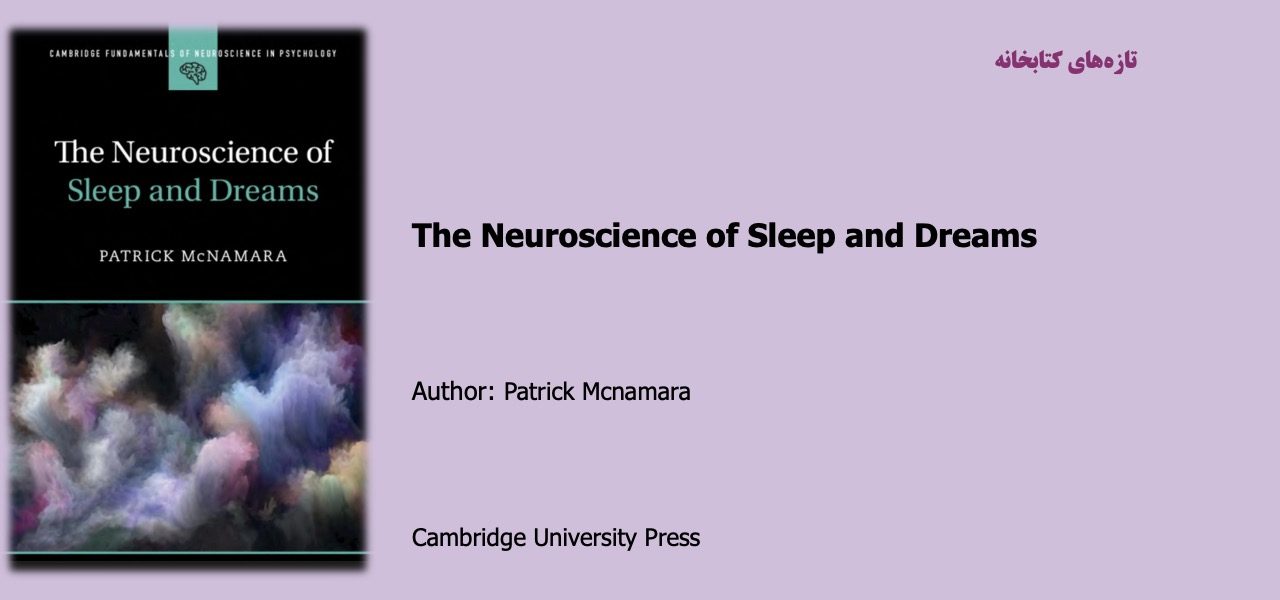
The Neuroscience of Sleep and Dreams
This book provides a complete introduction to the neuroscience of sleep and dreams in plain language. Patrick...
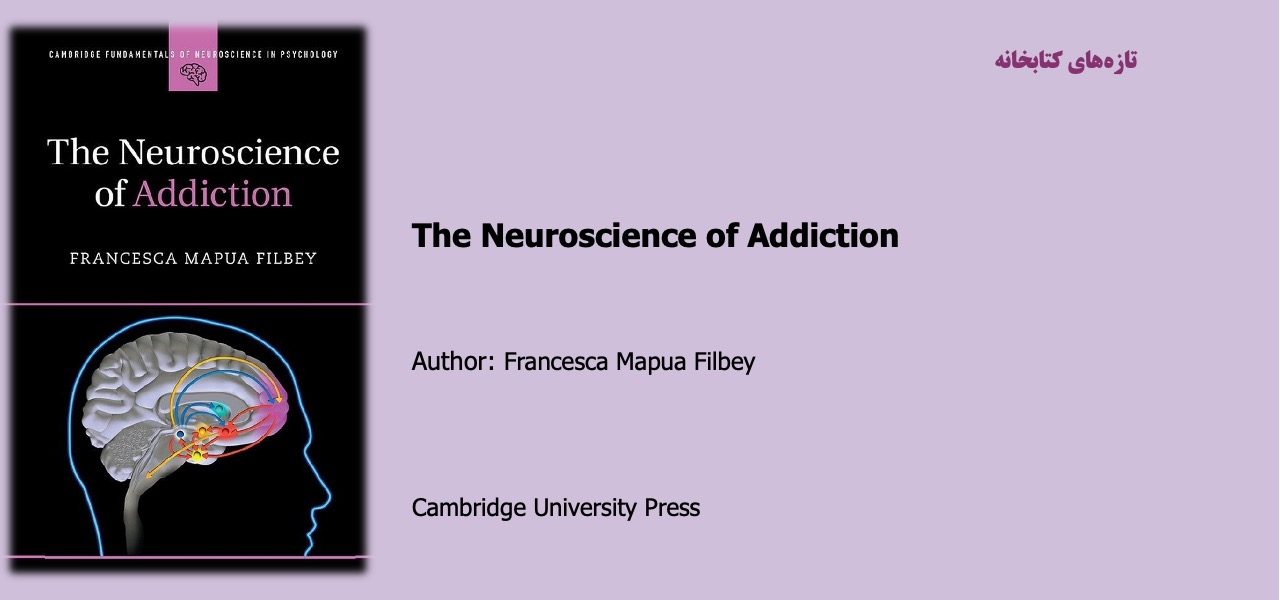
The Neuroscience of Addiction
This book has been written to fill a void in the areas of behavioral neuroscience and neuropsychopharmacology....
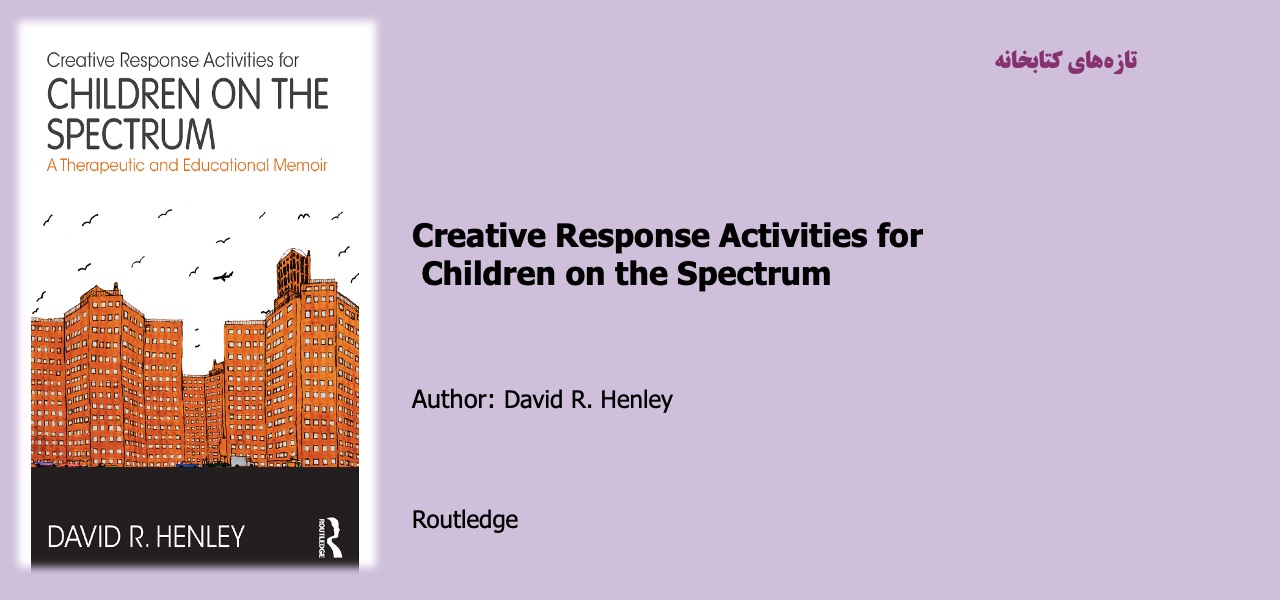
Creative Response Activities for Children on the Spectrum
All of life’s experiences are ephemeral; they are mostly fleeting memories unless preserved in some concrete or...
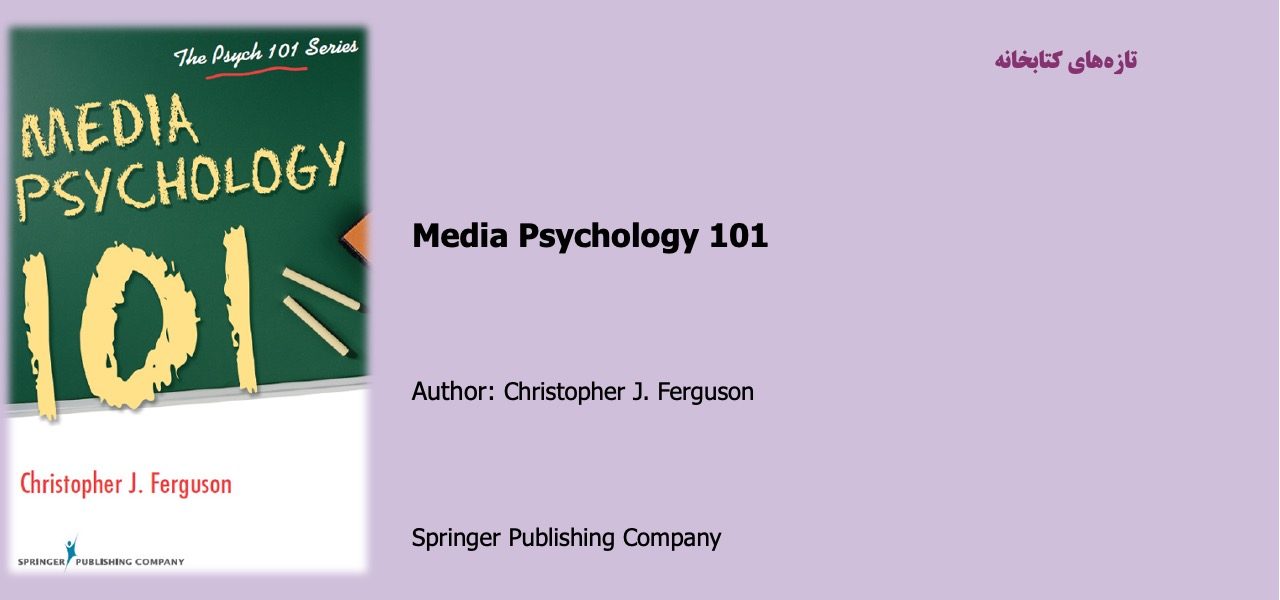
Media Psychology 101
everybody knows that media does or doesn’t (pick one) have a profound influence on our lives and...
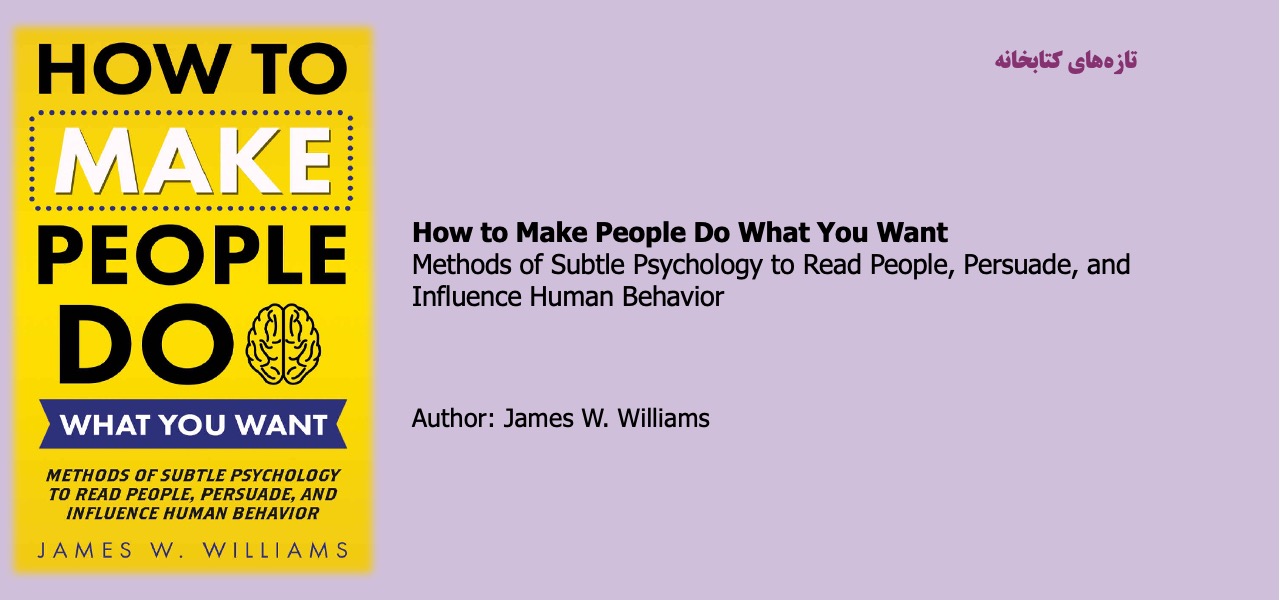
How to Make People Do What You Want Methods of Subtle Psychology to Read People, Persuade, and Influence Human Behavior
Here’s something to get your brain juices flowing. The human race wouldn’t be where it is today...
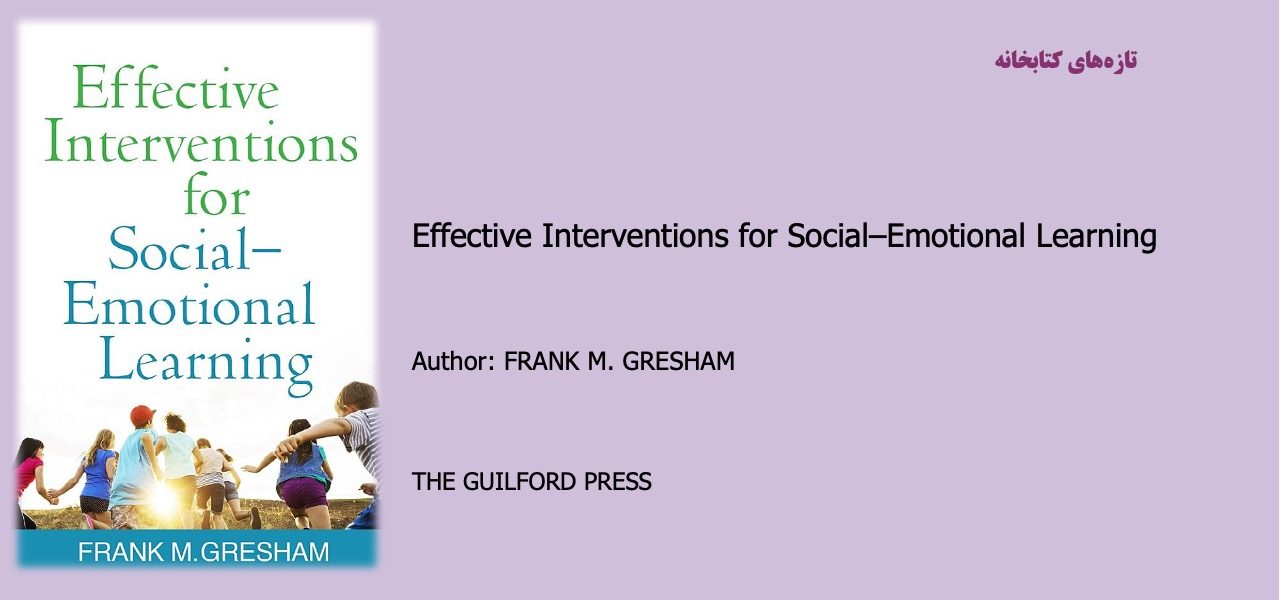
Effective Interventions for Social–Emotional Learning
The purpose of this book is to provide professionals with evidence-based social–emotional assessment and intervention strategies for...
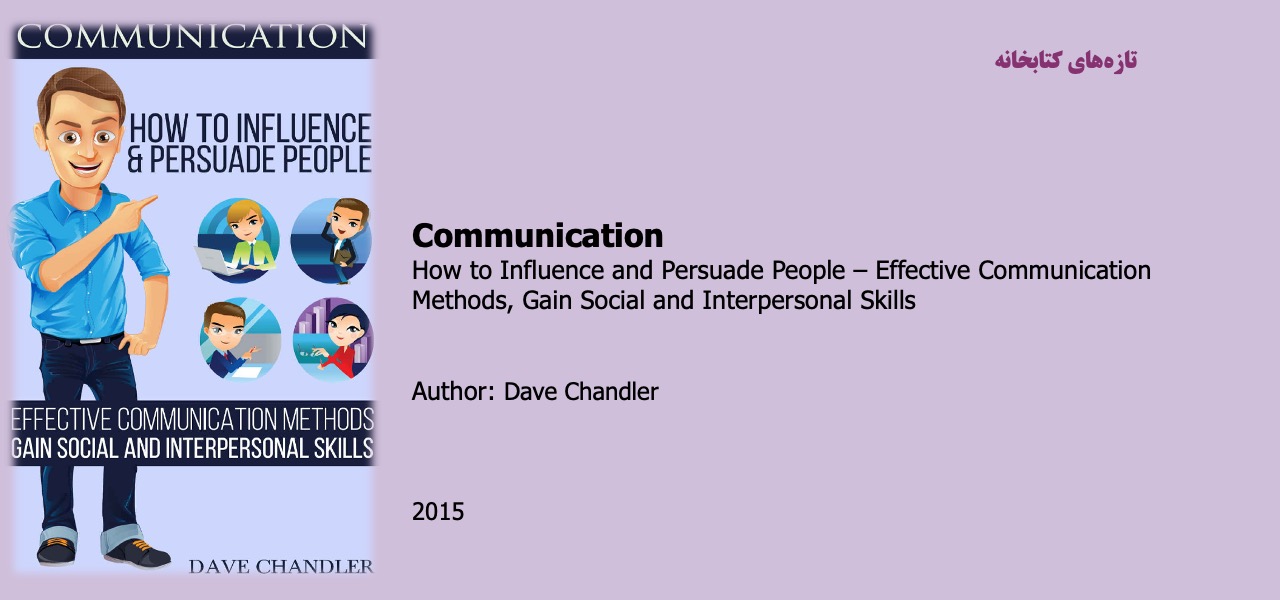
Communication
How to Influence and Persuade People – Effective Communication Methods, Gain Social and Interpersonal Skills I would...