

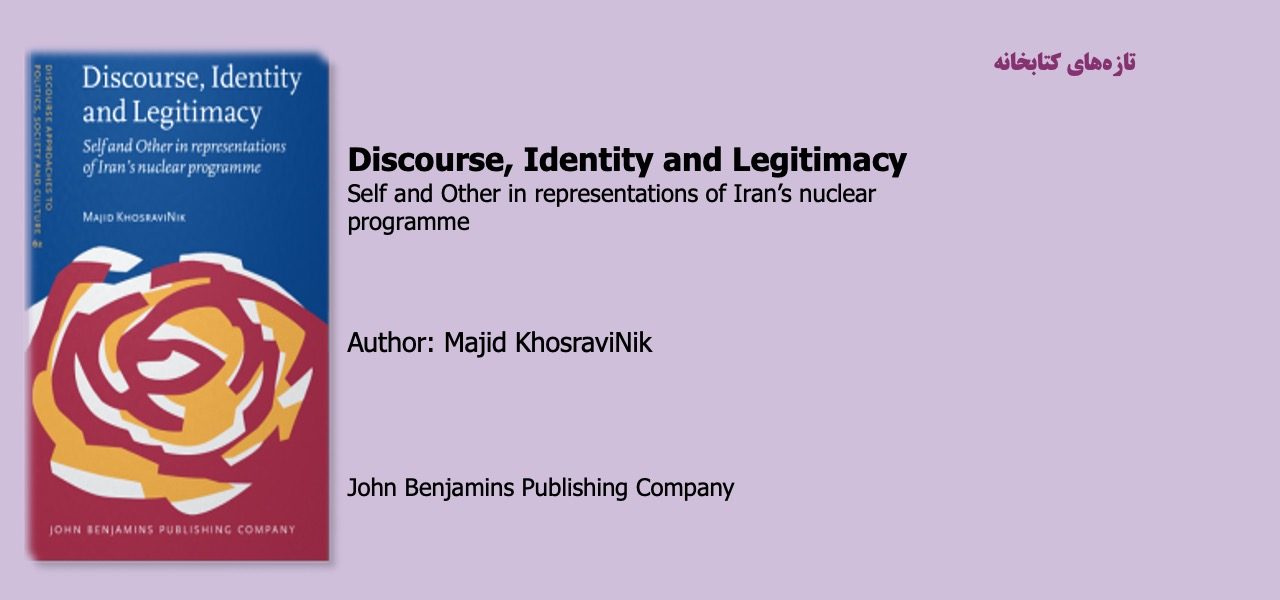
Discourse, Identity and Legitimacy
Iran has been at the centre of numerous international controversies since its 1979 Revolution and the establishment of the Islamic Republic. Strong anti-colonial, anti-authoritarian and Islamic sentiments during the 1979 Revolution have fuelled and legitimised the Iranian revolutionary discourses when confronting the West. The Islamic revolutionary ideology of the Islamic Republic and its continuing tension with the West, especially the United States, is the result of a swing in Iran’s official world view from a pro-Western, secular monarchic system to an anti-Western, post-colonial, theocratically-oriented system after 1979. This change has created a political...
مطالعه متن کامل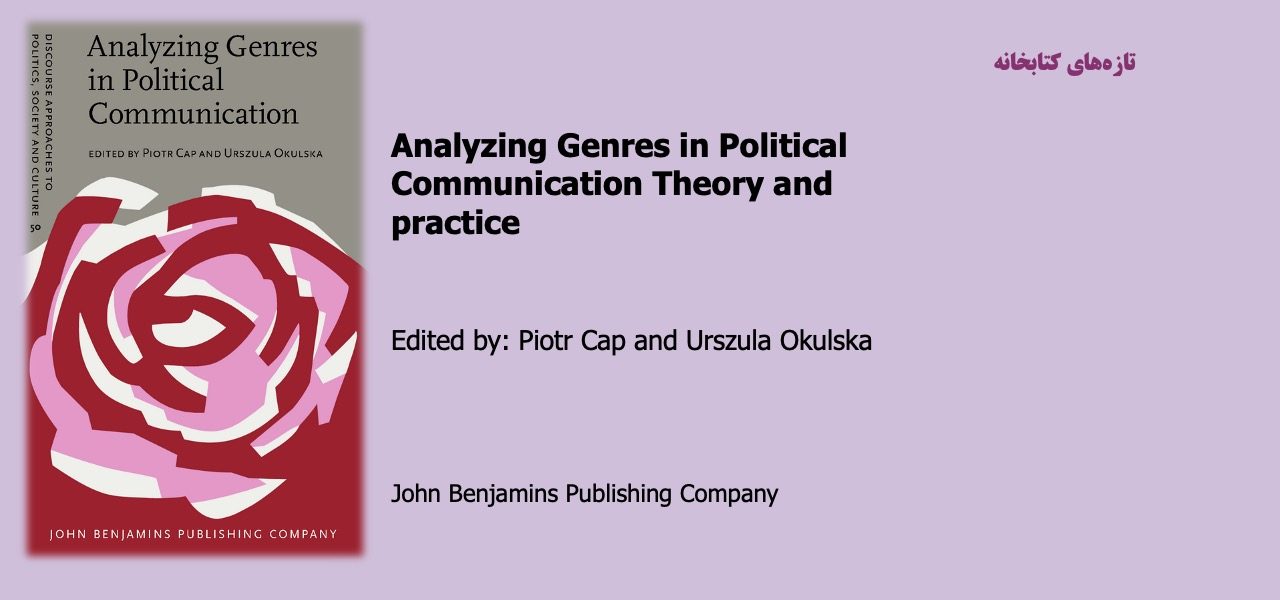
Analyzing Genres in Political Communication Theory and practice
The concept of genre in linguistics has been addressed within several disciplines and empirical fields. The most...
The Handbooks of Applied Linguistics
Throughout the 1990s and early 2000s, we witnessed a growing academic interest in the issue of the...
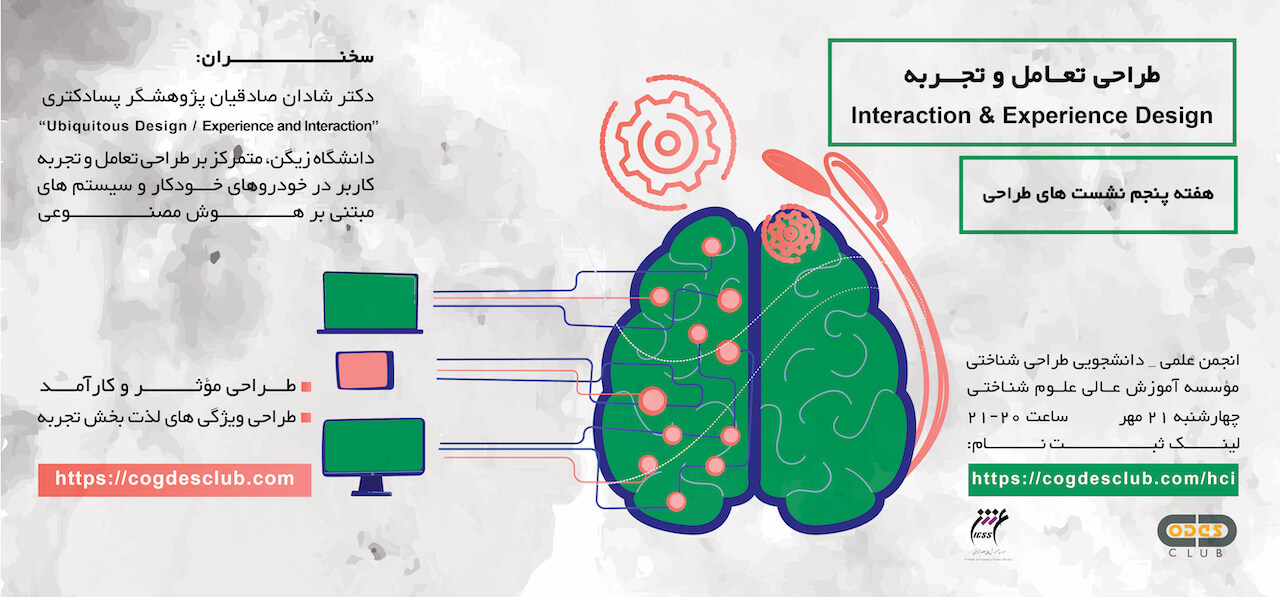
پنجمین دورهمی طراحی شناختی: طراحی تعامل و تجربه
دونالد نورمن طراحی را به سه حوزه طراحی صنعتی، طراحی تعامل و طراحی تجربه تقسیم بندی کردهاست....
نشانی رایانامه های موسسه آموزش عالی علوم شناختی تغییر می کند
به اطلاع می رساند دامنه رایانامه موسسه آموزش عالی علوم شناختی از تاریخ اول آبان ۱۴۰۰ از...

مرکز پاسخگویی بانک قرض الحسنه مهر ایران به پرسش های دانشجویان موسسه
دانشجویان متقاضی دریافت تسهیلات مالی از بانک قرض الحسنه مهر ایران برای پرداخت قسطی شهریه تحصیلی خود،...
Community Resilience Indicator Analysis
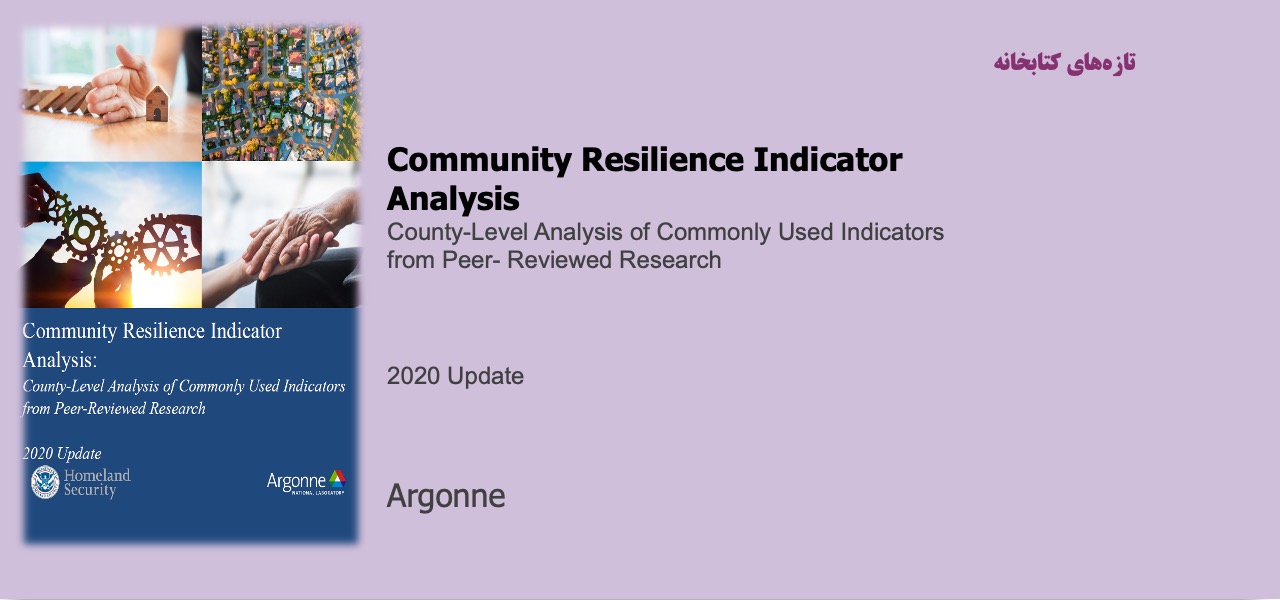
As disasters continue to increase in frequency and cost, researchers across academic disciplines, including anthropology, ecology, engineering,...
Discourse, War and Terrorism
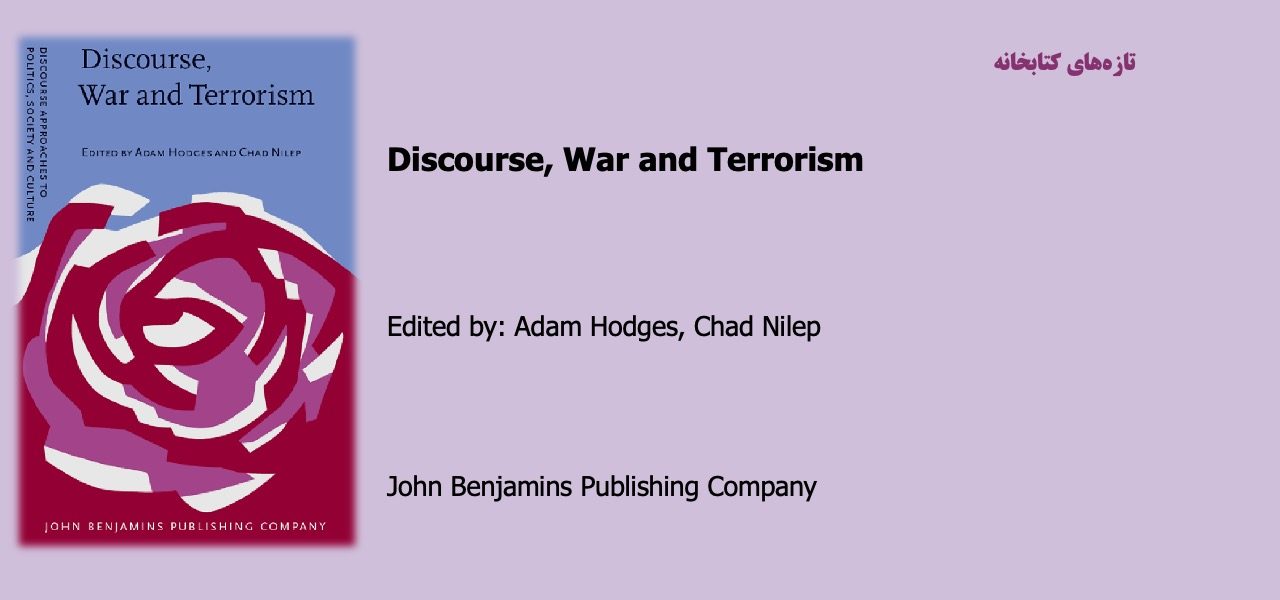
The impetus for this volume arose out of a panel organized for the annual meeting of the...
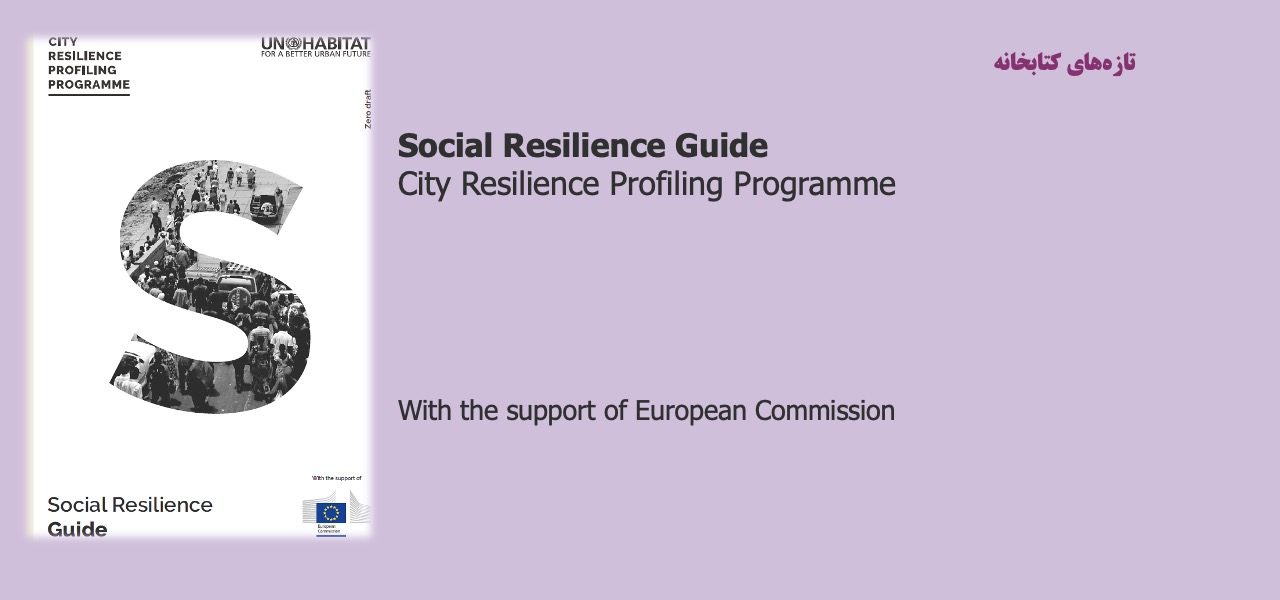
Social Resilience Guide
Social resilience is about social entities and their abilities to tolerate, absorb, cope with and adjust to...